Warmly Ran the Play It Sells: A Warmbound Teardown
How a 5-times-pivoted YC startup turned its own website-visitor tool into a $5M ARR growth engine — and built the whole thing in public.
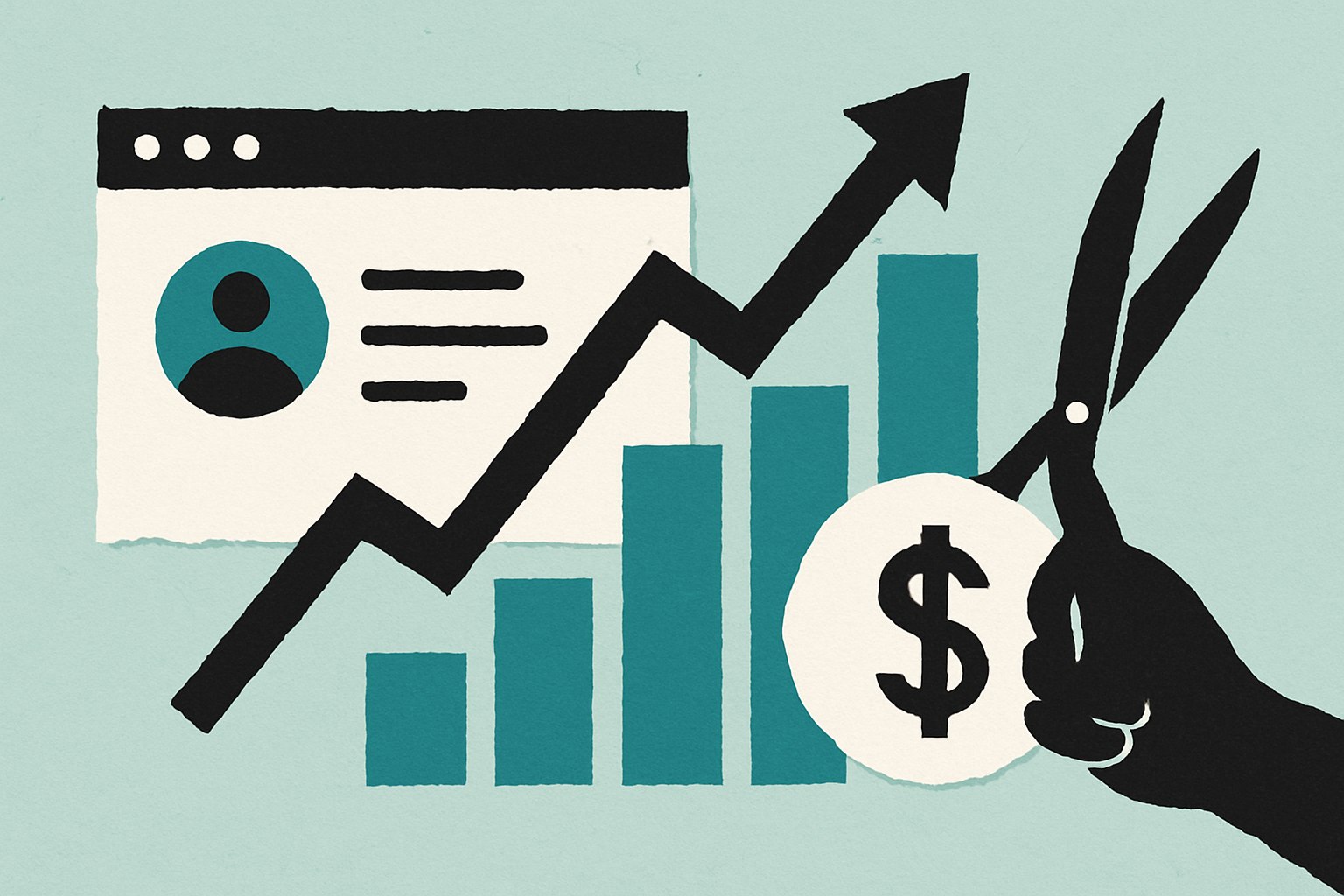
Here's the punchline most GTM tools never earn the right to say: Warmly grew by pointing its own product at itself. The tool de-anonymizes your website visitors and pings your team to engage them while intent is hot. Warmly ran that exact motion on its own funnel — and turned "we eat our own dog food" from a cliché into a sales pitch.
But the dogfooding is the headline, not the lesson. The lesson is that Warmly got to $5M ARR in roughly three years after five separate pivots (per The GTM Engineer and SaaStock), and it did it by treating go-to-market like an engineering problem — one experiment at a time, measured, scaled or killed.
Let's open the hood.
The stack
Warmly's marketing site is deliberately boring, and that's a tell. The tech fingerprint (DataForSEO):
- ▮HubSpot for marketing automation — the demo-request and nurture engine.
- ▮Warmly itself running on the page — they're a tag on their own site, identifying and routing visitors.
- ▮Google Tag Manager + Google Analytics for measurement.
- ▮OneTrust for cookie compliance (they sell to enterprise revenue teams; consent hygiene matters).
- ▮Cloudflare CDN, HTTP/3, jQuery, Tippy.js, Popper — a lightweight, conversion-first marketing stack, not a custom-engineered monolith.
No exotic frameworks. The engineering went into the GTM motion, not the landing page. That's the correct order of operations for a sales tool.
The engine
Now the numbers DataForSEO actually returns for warmly.ai organic search (US, Google):
- ▮953 ranked keywords.
- ▮11 keywords sitting at position #1.
- ▮55 keywords in the top 3 (11 at #1, 44 at positions 2-3).
- ▮138 more in positions 4-10 — so ~193 keywords on page one.
- ▮Estimated organic traffic value: ~$90,604/month if you bought it through ads (estimated_paid_traffic_cost). The estimated organic traffic itself: ~4,609 visits/month.
- ▮368 brand-new keywords entered the rankings and 286 moved up — versus 261 down. The content engine is net-expanding, not coasting.
That 953-keyword footprint with only ~4,600 monthly organic visits tells you something precise: Warmly is wide but mid-depth — lots of long-tail and bottom-funnel terms, a big chunk still parked on pages 2-3 (188 keywords in positions 11-20). They're playing the volume-of-shots game, the same discipline they preach for outbound.
And the outbound numbers from the founder himself (Max Greenwald, LinkedIn, Dec 2024): 0 to 250 paying customers and $3M ARR, with cold outbound down to just 23% of the motion. SaaStock later pegged them at ~$3-4M ARR, ~300 customers, ~60 employees (40 in GTM, 20 in product) growing 10-12% monthly. The rest of the pipeline? Warm.
The clever bit
Warmly's real innovation is a vocabulary — and a structure underneath it. Greenwald reframed outbound into "warmbound," three flavors:
- ▮Brandbound — build trust before selling, with LinkedIn as the primary surface.
- ▮Nearbound — turn happy customers into co-sellers and referral engines.
- ▮Allbound — use intent data to de-anonymize traffic and strike while buyers are researching.
Underneath the branding sits the actually-copyable operating model (The GTM Engineer): marketing organized horizontally by funnel stage — TOFU/MOFU/BOFU — not by channel. No "the LinkedIn person" and "the SEO person" working in silos. Squads own a stage and orchestrate across channels inside it. And they test exactly one new channel per quarter, keeping one or two in reserve, so every scale-or-cut decision is made on real conviction instead of vibes.
The flywheel: Warmly's tool flags a hot visitor → a rep engages live → the deal closes → that customer becomes nearbound fuel → Greenwald posts the win on LinkedIn → that brandbound content pulls the next visitor. Each motion feeds the next.
What this costs you
Don't romanticize it. This took five pivots — "Tinder for founders" died first (SaaStock) — plus ~$20M raised, including a $17M Series A led by RTP to fund the experiments. The horizontal-squad model needs generalists who can work multiple funnel stages, which is a harder hire than a channel specialist. And the build-in-public play has a cost most founders won't pay: Greenwald posted revenue, investor updates, and personal struggles publicly (Foundersecrets) — one post hit 200k+ reached and doubled inbound demo requests overnight. That only works if you're willing to be that exposed, consistently, for years.
The SEO footprint also reveals the grind: 953 keywords for ~4,600 visits means a lot of content that isn't paying off yet. This is a multi-year compounding bet, not a quarter-three win.
Steal this this week
- ▮Dogfood as proof. Point your own product at your own funnel and say so out loud. "We grew using the thing we sell" is the most credible case study you'll ever publish — and it costs nothing but honesty.
- ▮Reorg marketing by funnel stage, not channel. Assign someone to own TOFU, someone MOFU, someone BOFU — and make them orchestrate across channels. Then commit to testing one new channel this quarter, measured, scale-or-kill. Stop spreading thin across five at once.
- ▮Post one number publicly. Pick a metric you're slightly nervous to share — MRR, customer count, a churn save — and post it on LinkedIn with the story behind it. Greenwald doubled demos doing this. The asymmetry is absurd.
Warmly didn't out-engineer the category. It out-disciplined it — one channel, one funnel stage, one public number at a time.
Sources: SaaStock — Max Greenwald on finding PMF and scaling Warmly · The GTM Engineer — How Warmly hit $5M ARR after 5 pivots · Foundersecrets — Warmly's unconventional growth strategy · Kyle Poyar — Moving beyond founder-led sales · Max Greenwald on LinkedIn — 0 to 250 customers with warmbound
Get tomorrow’s brief.
One email per weekday. Free during beta.